RhinoDocket

The average YIR Reader is probably familiar with Calendars. These charts are broken up into daily bits, all adding up to Weeks and Months, theoretically organizing Time. Each bit gets a name ending in ‘day’.

For Rhinos that is no help; We do not use words. The issue is that these “days” don’t Smell. How is anybody going to tell them apart? Right. It can’t be done.

And why bother? Tomorrow, with its own Redolence, is coming anyway, no matter what you call it.
Cartographers, Unite

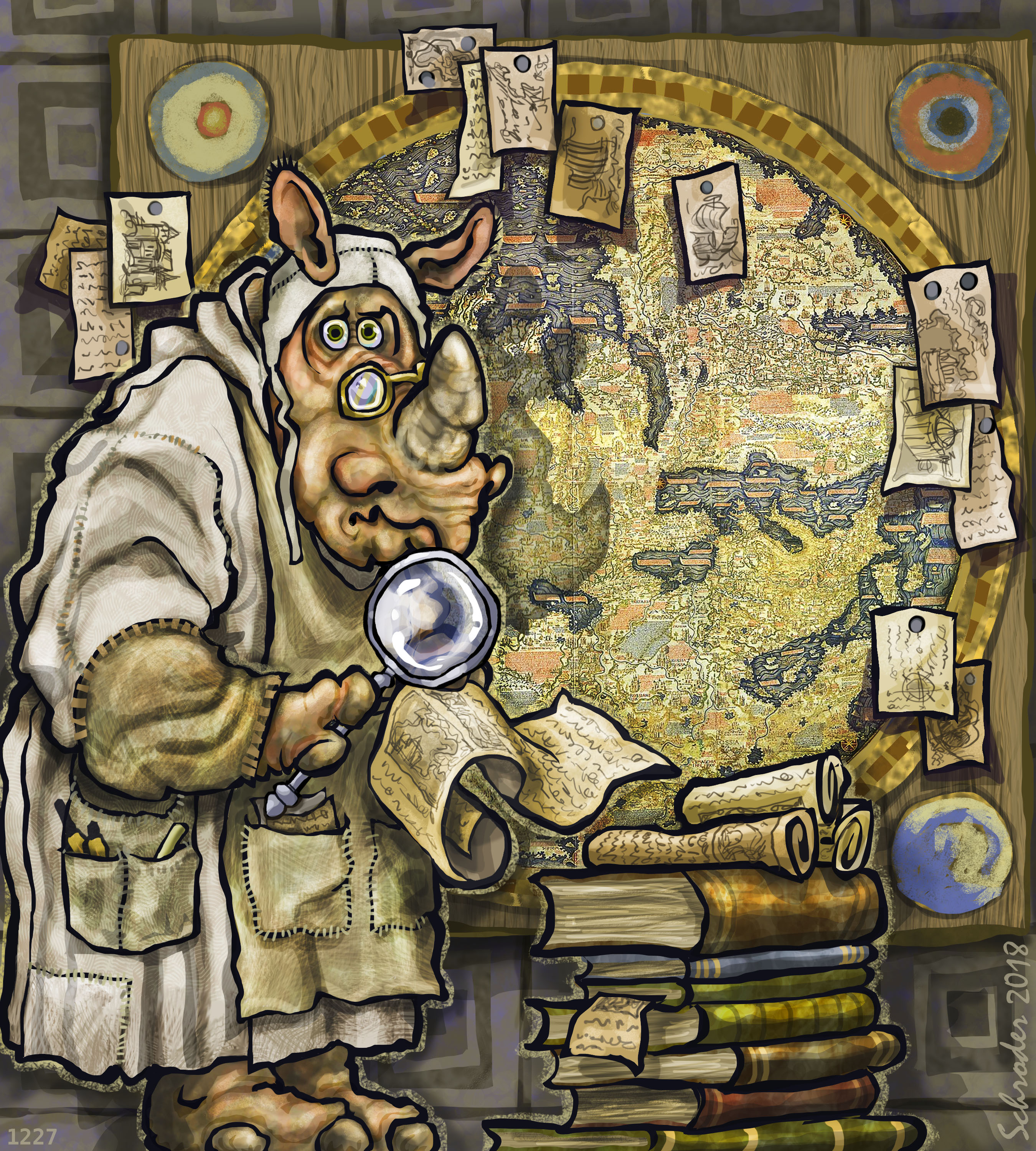
Shown is Fra Mauro (b.1400), a Venetian monk with his famous map, showing the Known World of his day. He worked on it from 1448 to 1459.

Fra Mauro pieced together all the tidbits of information available to him from world travelers and merchants, ultimately arriving at an astonishingly accurate map, 6 feet square. An unexpected feature of the map for Us today is that North is at the bottom of the map, so Africa is at the top. (See “righted” image below.)

Many continents had not been “discovered”, but that gave everybody something to look forward to. Rhinos feel it could happen again, any day now. Why not?

Here is a blow-up, showing the wealth of detail included in the map itself. Zowie!

A la Mode

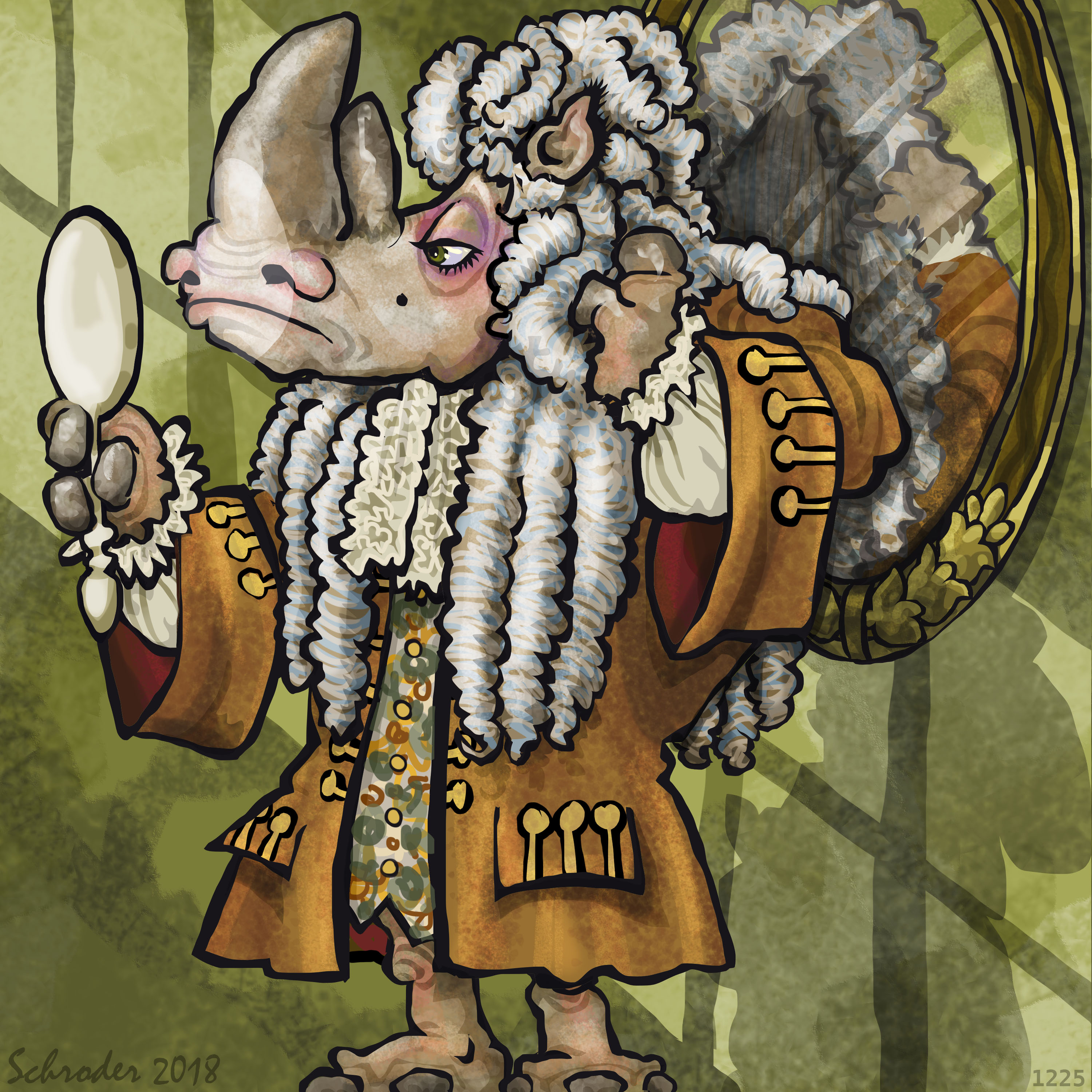
Richard Steele and Joseph Addison created a London daily paper called The Spectator, starting in 1711. It was full of opinion, poetry, and articles to appeal to a general audience. There was much discussion of modes, manners and morals. The tone of the articles was friendly and persuasive, influential to this day in journalistic circles.

Rhinos appreciate every effort to improve behavior, round and about. And at that time, very much like this, there was plenty to improve. Ask anybody.

Must admit, those folk sure knew how to style a wig!

O is for Opinion

Opinions are grand and glorious things, best enjoyed in the moment of their expression. Rhinos find them very Satisfying, and are chock full of them, Opinions that is. We toss them around like Critters Possessed.

But in our Experience, Opinions do not weather every test, certainly any administered by Nature. Change is Nature’s pivotal Policy.

Let the Blowhard Beware.

On One’s Mind

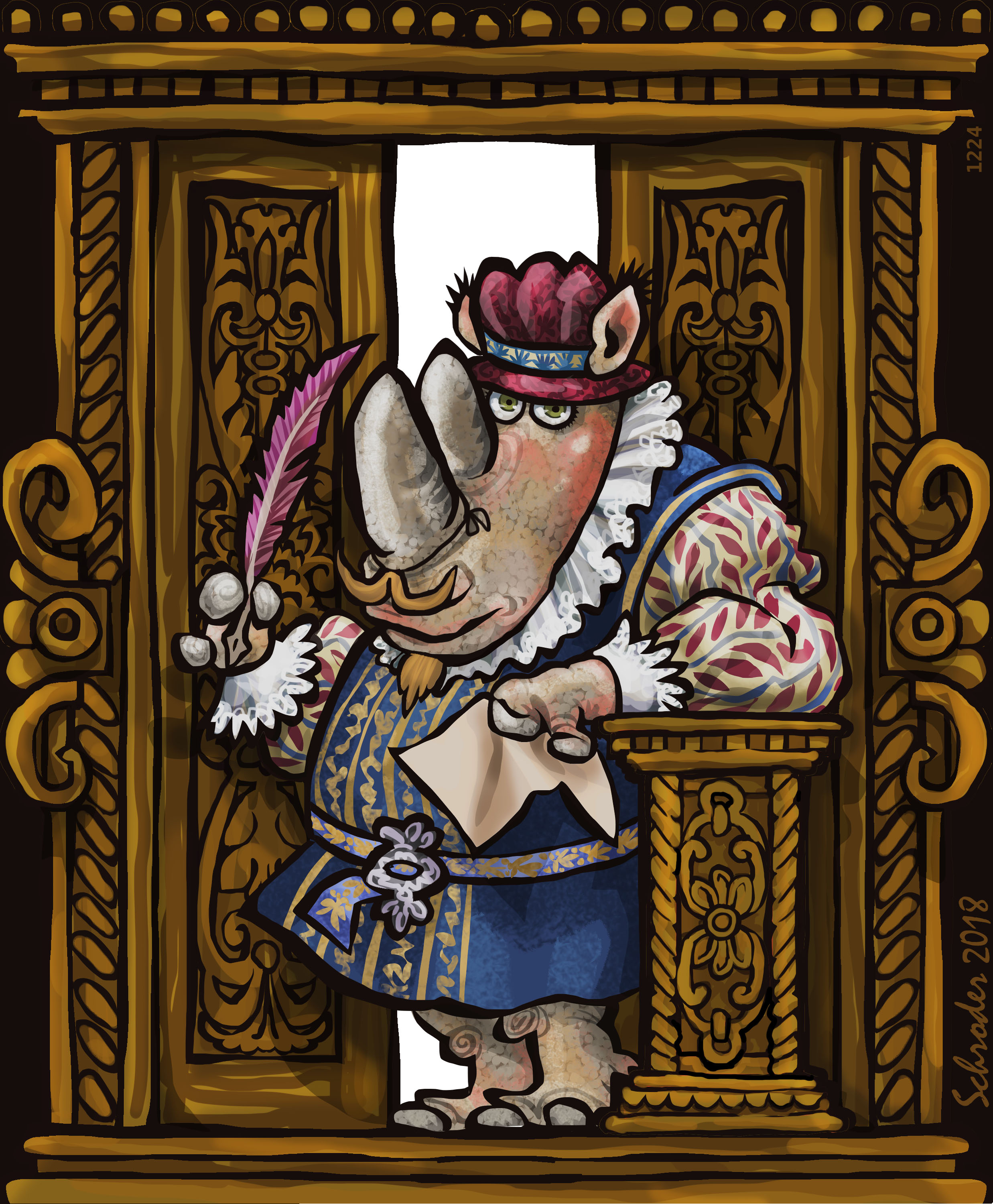
M. Michel de Montaigne, b. 1533, is known for having “invented” the Essay, around 1571. Essays were his attempts to combine his own observations and philosophy, offering his readers an opportunity to mull over issues that interested him.

He lived in France, and spent the second half of his life in seclusion, writing and writing. Rhinos are sympathetic, though living in the Wild precludes absolute solo efforts. Still, the state of mind is familiar to Us.

Said M. de Montaigne: “We can be knowledgeable with other men’s  knowledge but we cannot be wise with other men’s wisdom.”

Wanderlust

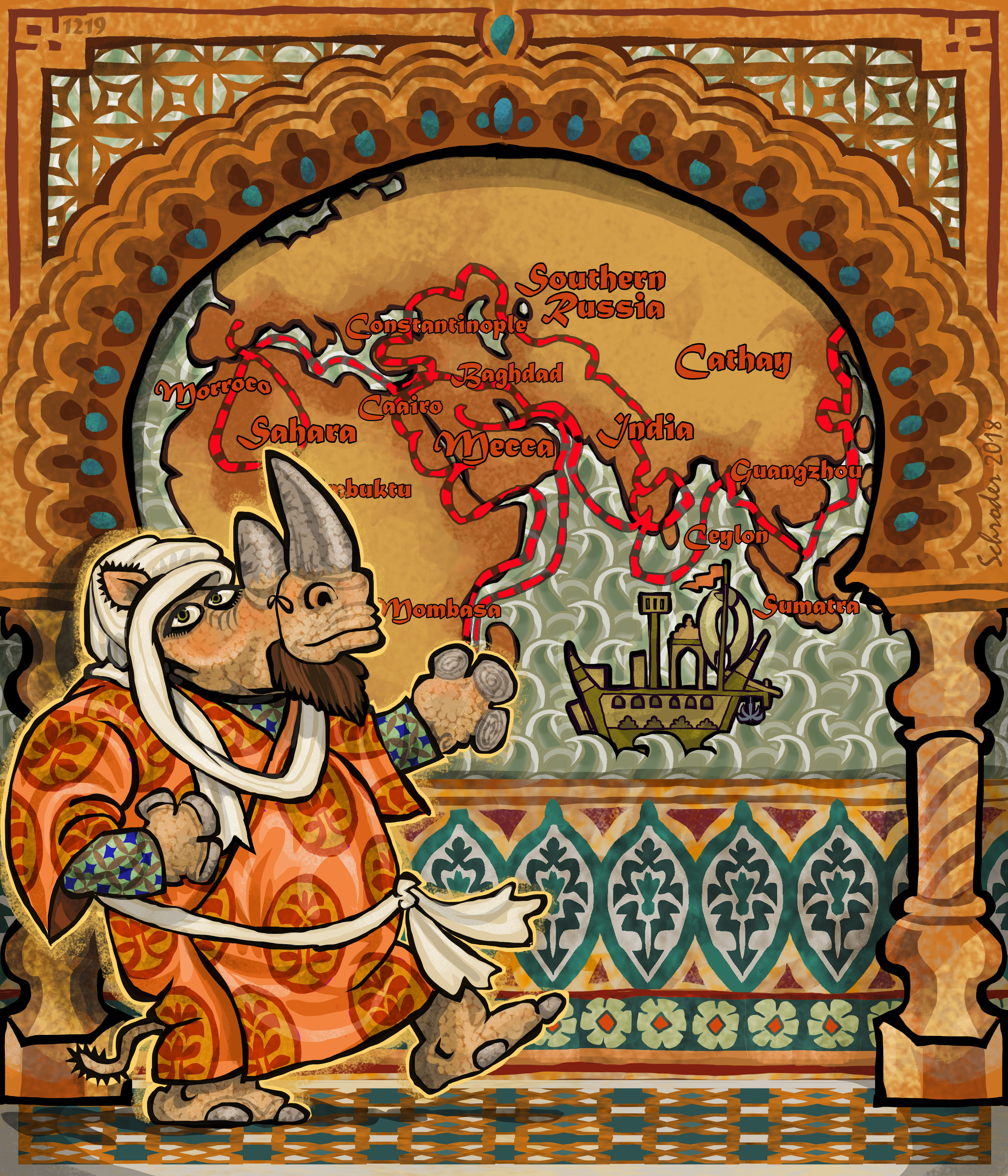
Mr. Ibn Battuta (b.1304) was a Moroccan Muslim who spent 40 years exploring the medieval Islamic world of his time. He went to Mecca 7 times during his lifetime, and many other places as well.

At that time it was investigation by the seat of the pants. He explored, travelled, and geographized. And got on boats! He wrote a book called ‘The Travels’.

Had Mr. Ibn Battuta lacked an Inner Rhino, We wonder what might have become of him. Curiosity is hard on cats, but it often helps Rhinos thrive. Case in point, yes?

Bravado, and then some

Your Inner Rhino wants to hail the athletes at the Winter Games. If their efforts defy Logic, they certainly define Audacity. And a little of that is a good thing, We’d say. Every now and then.

We would also like to acknowledge all the contestants We did not see, not only in PyeongChang but also around the world. The Olympic Accomplishment  is determined by the mass of athletes, not by the winners. All the athletes are competing with their own possibility, ultimately.

At least, that’s how We Rhinos see it. The Victory is in the effort to Excel.

Things As Is

The Rhino Evaluation of most days is: So Far, So Good.

And even if the day is not ideal, what is to be done about it? We persevere.

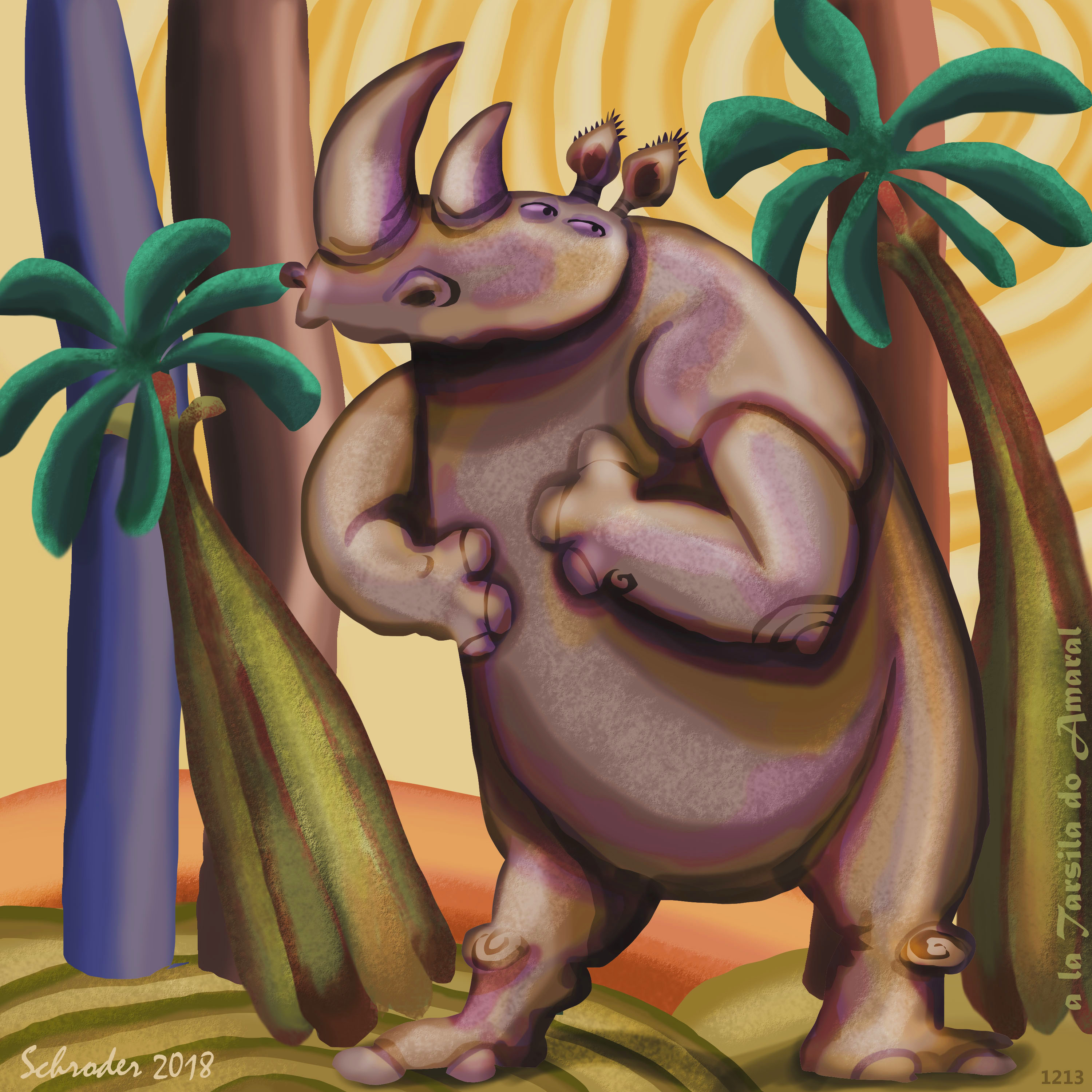
On another note, We recommend the paintings of Tarsila do Amaral (1886-1973), a Brazilian artist of distinction. Even if Rhinos don’t live in South America at the moment, We may end up there yet. That sounds like a “So Good” to Us.

Musicale

Mr. Franz Liszt (1811-1886) composed the Hungarian Rhapsody #2 in 1847. It was presented both as a piano piece, and an orchestral work.

Rhinos like both versions, and often hum the HR#2 when We get the chance. So that makes it piano, orchestra, and hummer.

It’s on YouTube, in case you want a refresher. Mighty vivacious, that’s what We say.