Care-fully Yours

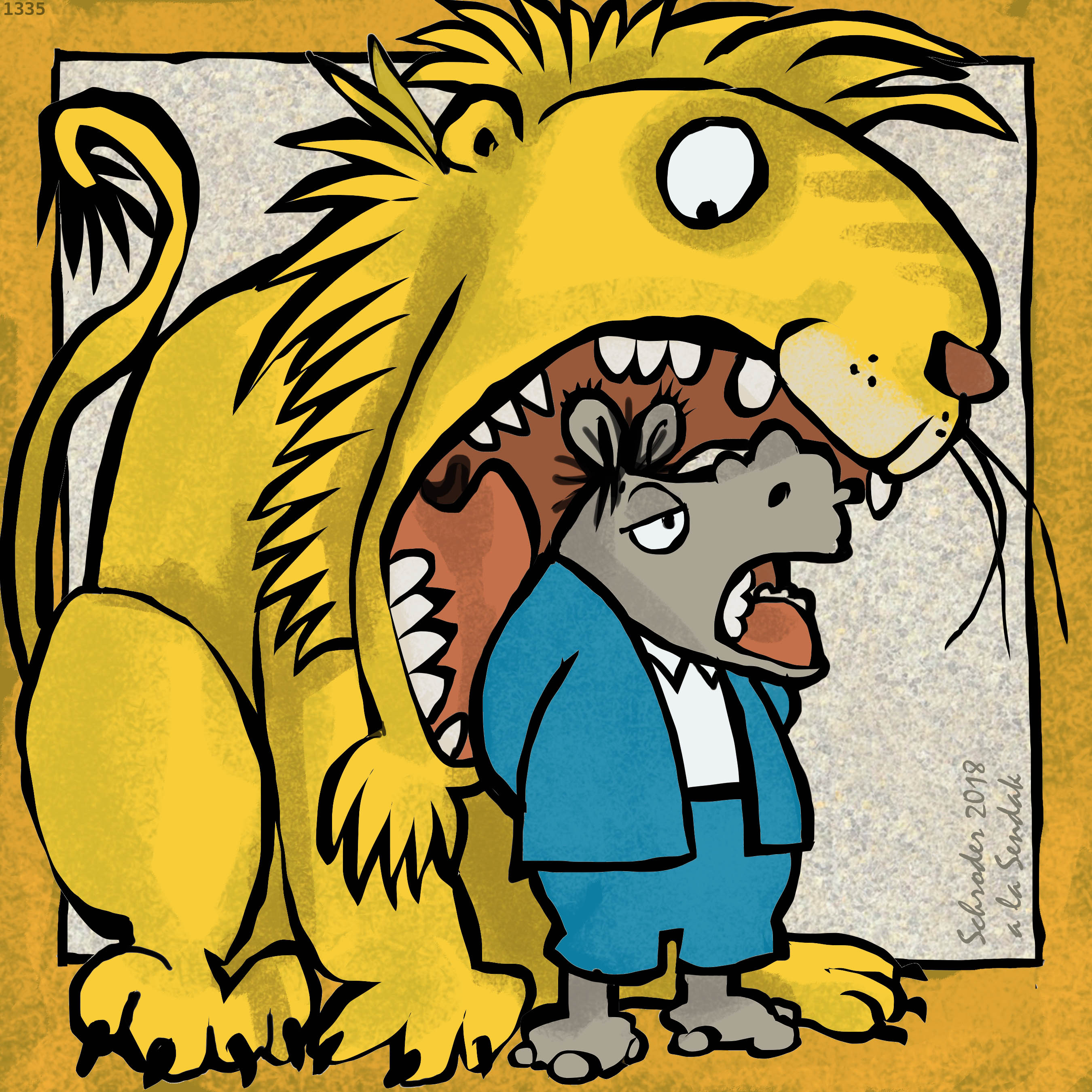
Today, in our series of ‘Stories-I-Like’ from our Readers, is “Pierre”, written and illustrated by the gifted Maurice Sandak. Pierre is a boy who knows his own mind. This little book is great fun, grand for reading aloud. You can have it read to you on Google!

Pierre’s perspective is pretty limited. It struck Us Rhinos as interesting, since each of Us has blinders provided by our own choices and assumptions. Those Limitations are by choice, not by fact.

Obvious, but still surprising, right?
Ups & Downs

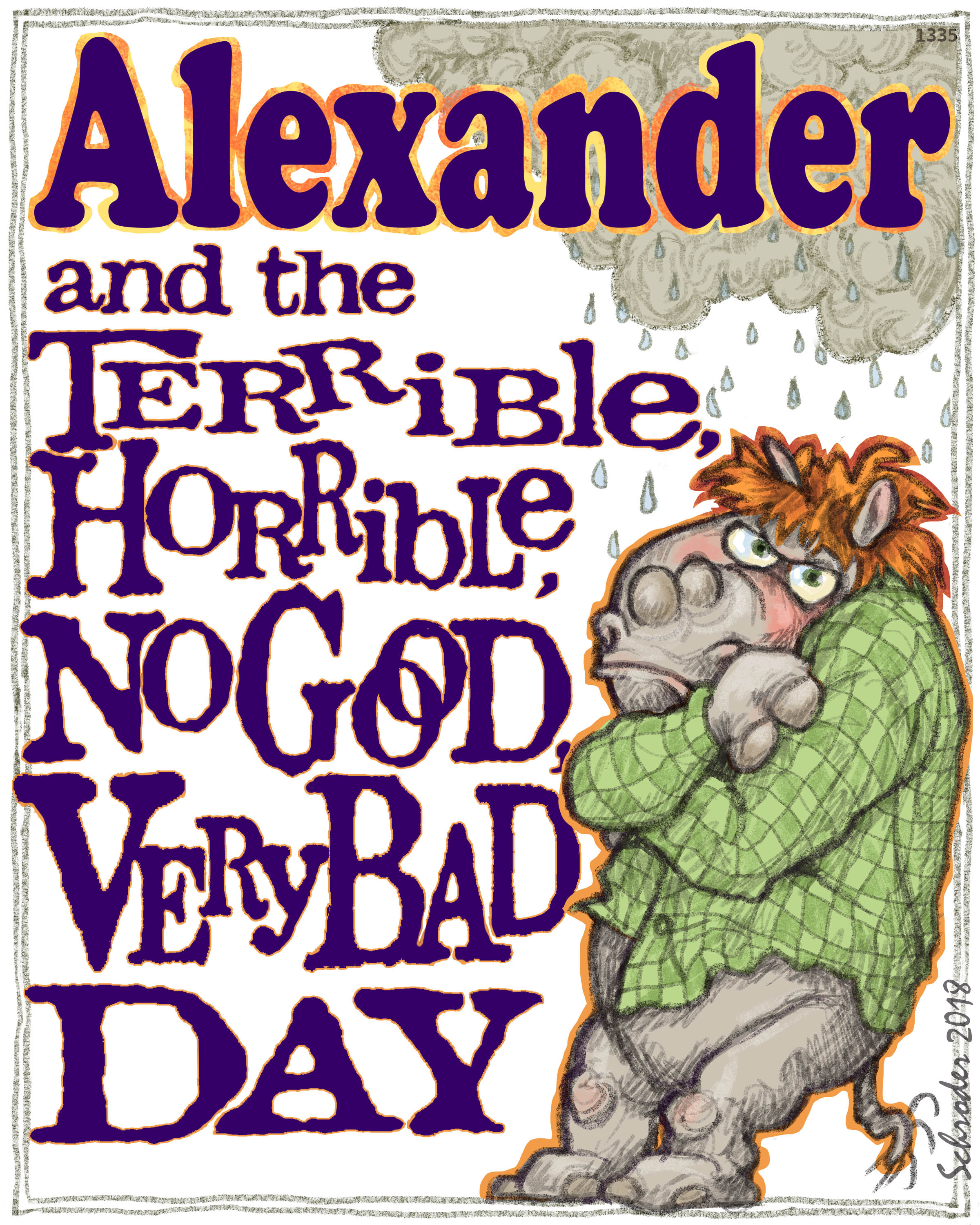
Judith Viorst wrote “Alexander and the Terrible, Horrible, No Good, Very Bad Day”, in 1972. It is illustrated by Ray Cruz. The point seems to be that some days don’t work out as imagined. It is humorous.

Rhinos all know about this Fact of Life. We must take it as it comes, and make the best of it, when possible. Or try tomorrow, when it gets here.

That’s what growing up is about, even for Us.

Swiss Miss


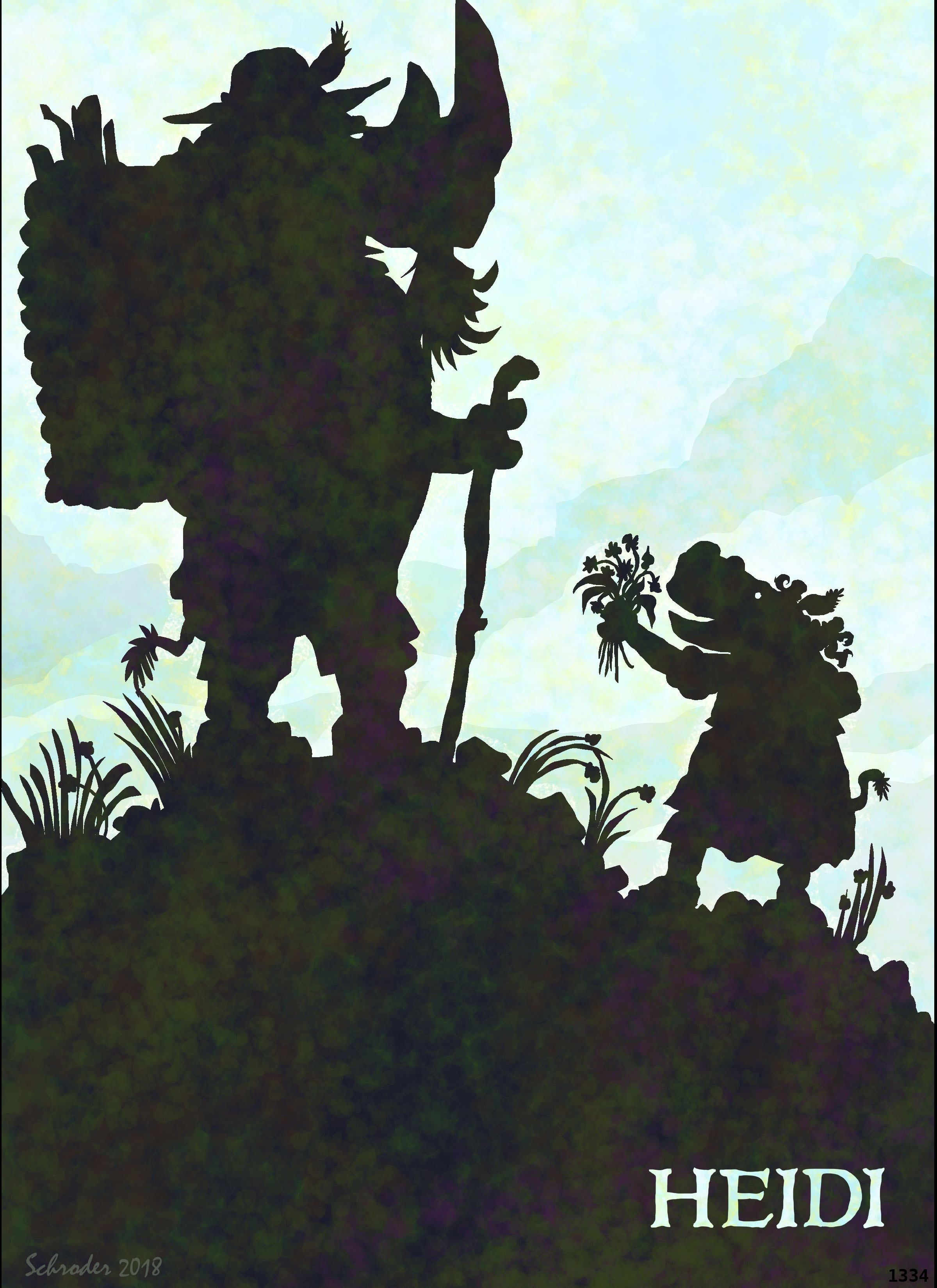
Ms. Johanna Spyri wrote “Heidi” in 1881, and it has been popular ever since. Heidi is a spirited little girl, who charms her gloomy grandfather, and Us in the bargain. Up there in the Alps. We like Heidi.

We Rhinos know very little about family dynamics, just because. We know our Moms and Moms know their Offspring, but otherwise, We just associate with the Rhinos in the vicinity. And let it go at that. Of course, We do have grandfathers, but it would never occur to Us to go “relate” to one. Actually, it’s the same for our Dads.

On this topic, We are wired differently.  Rhino.

9 Lives Plus

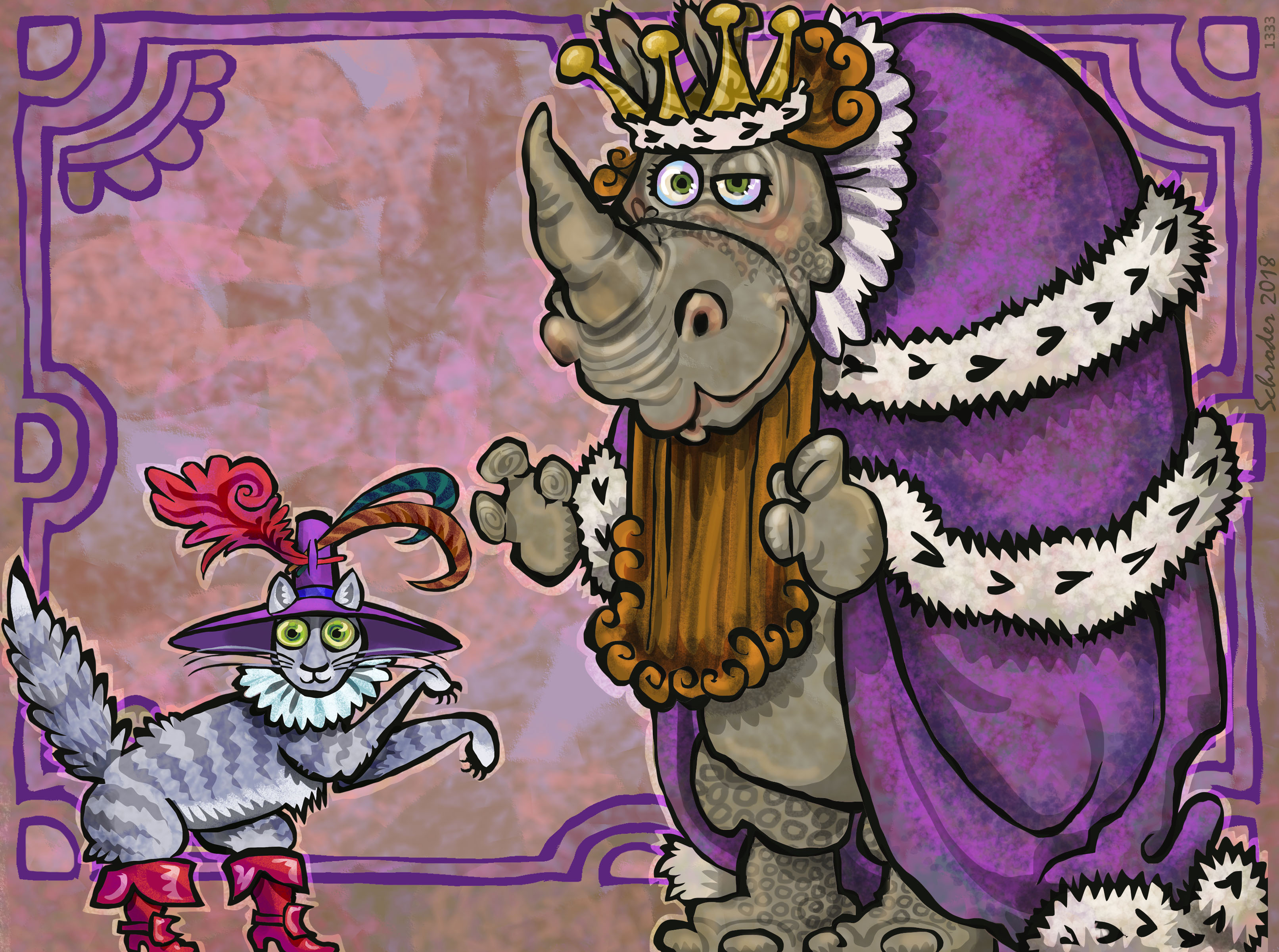
Charles Perrault’s 1697 version of “Puss in Boots” is probably the most popular, but it is based on earlier works by Giovanni Francesco Straparola and Gianbattista Basile. Now you know, if it comes up in conversation.

Puss, an ambitious cat, is good at seizing Opportunity and conning gullible folk, including the King and an Ogre. Eventually his poor young master marries the princess, all thanks to Puss’ ingenuity.

Any Rhino would tell you, Cats are cunning. Most mice would say the same thing.

a Russian Adventure

Mr. Sergei Prokofiev composed “Peter and the Wolf” in 1936. He also wrote the tale himself. It is performed with a narrator, introducing the characters as musically related to particular instruments.

A boy, Peter, leaves his home turf, and through dumb luck captures a wolf. Need We say that Rhinos take a dim view of young Rhinos venturing off on their own? In the Wild, it is a formula for Disaster.

The music is great, but We don’t go to see “Peter and the Wolf” before We weigh a ton. After that, it’s pretty safe.

A Lasting Impression

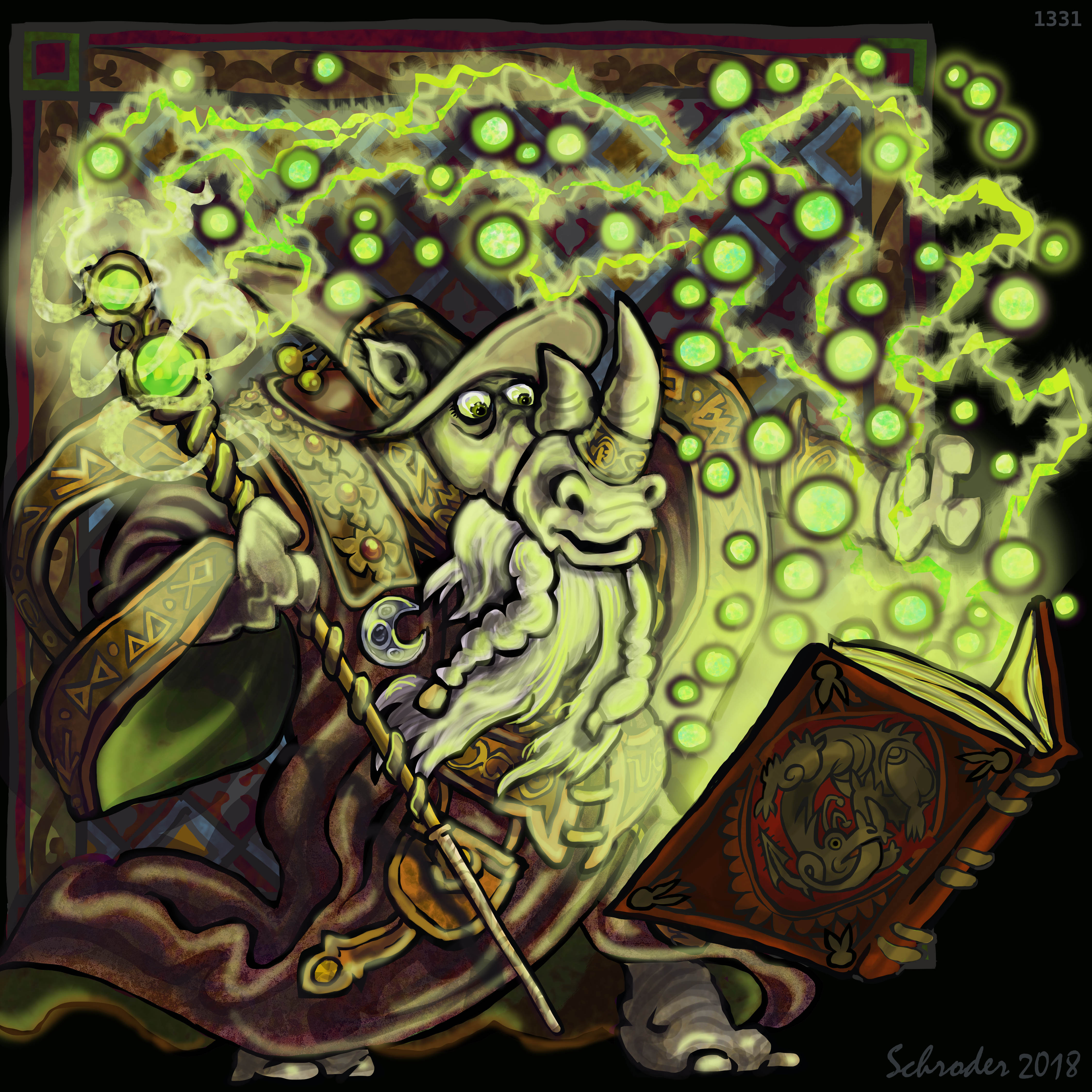
Merlin is one of those figures who shows up from time to time, without much Explanation. There are many versions of his history and activities, but Rhinos are mostly interested in what makes him such a dynamic presence in our shared consciousness.

Perhaps We like the idea of a king-maker (Arthur), or a fellow who can change Realities. Or maybe it’s his Wisdom and gifts of insight. Or perhaps he could make something out of nothing; now that’s a skill set.

Intriguing how Rhino Minds work.

Strutting Your Stuff

6-6 EmpNuClos1329

Hans Christian Andersen, wrote ‘The Emperor’s New Clothes’ (1837). It tells of two tricksters who victimize a vain ruler, selling him an invisible suit of clothes, a magnificent suit which only the gifted can see. When the Emperor walks out in public in his new duds, the public is surprised, to say the least. Does the Emperor learn anything? No.

Rhinos are confused by Human responses to the body. After all, inside each outfit is a naked somebody. What’s the fuss? The Emperor invests in imaginary clothes, while for Rhinos, that’s all there are. Easy-Peasy.

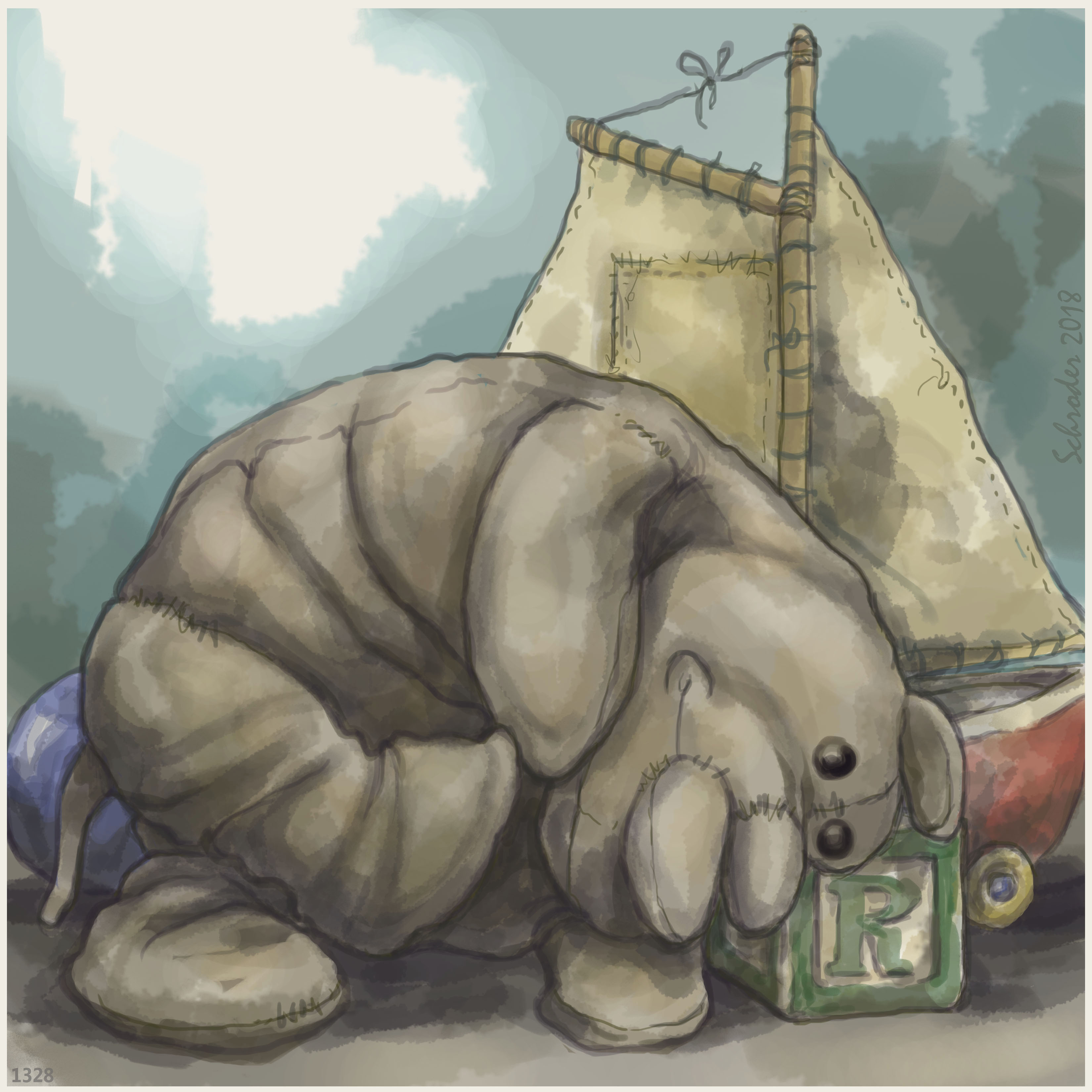
by Margery Williams, 1922

‘The Velveteen Rabbit’ tells of a toy rabbit that achieves a Reality beyond his simple toy-ness. The affection of his child owner elevates him, and he is ultimately transformed into a real rabbit.

We all have childhood affections for things, but with time those affections can pale or disappear entirely. That shift is both Natural, and a little sad, the loved one put aside.

Yesterdays.

On the Road to…

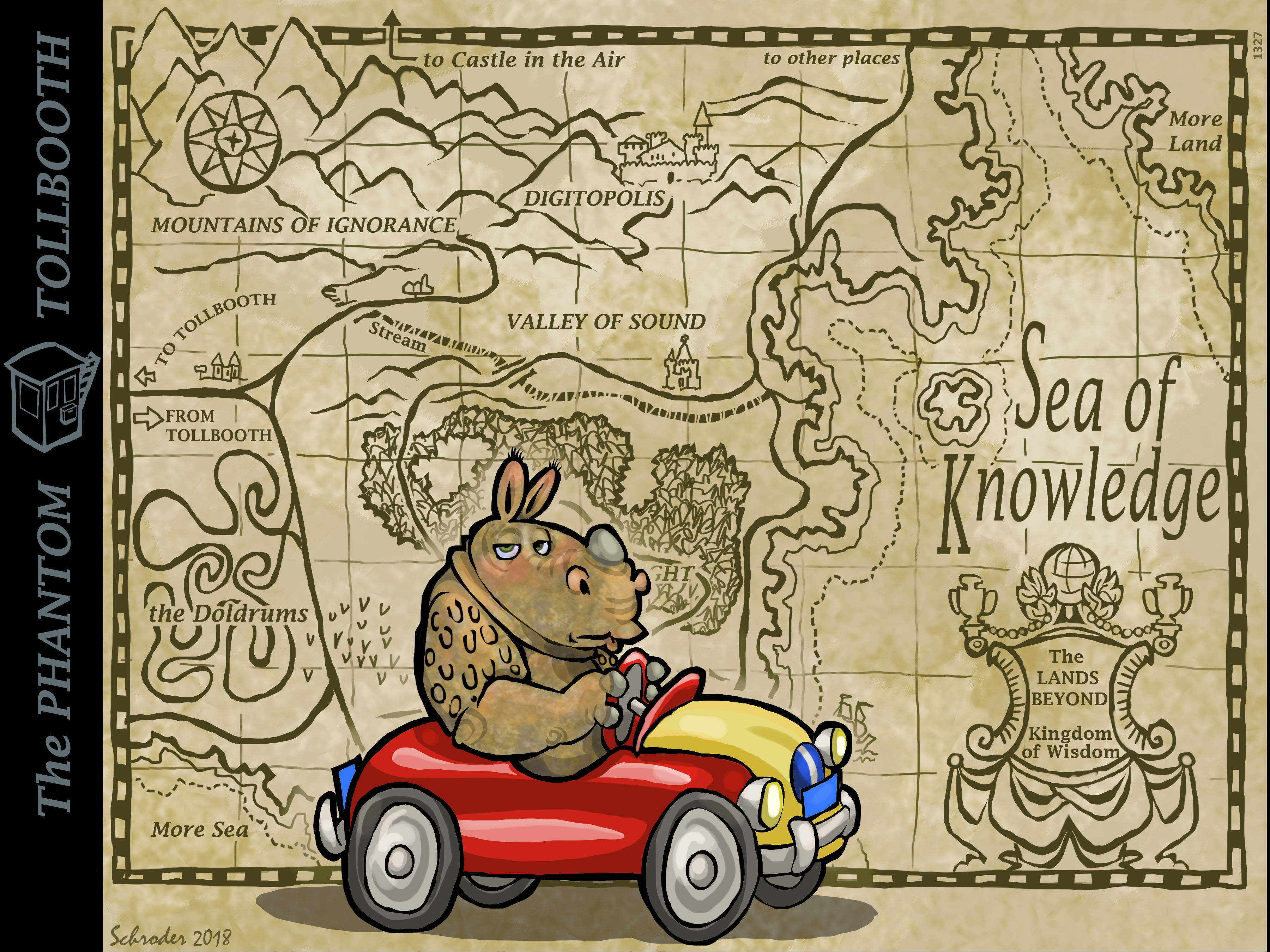
Milo is the bored Youth in Norton Juster’s fantasy adventure ‘The Phantom Tollbooth’. Magically transported to the Kingdom of Wisdom, Milo learns a great many things, namely, to pay attention to his own state of mind. If he doesn’t like what he sees, he should take the reins and engage with his situation.

Disconnection is seldom experienced by Rhinos in the Wild. Still, it is a fun Quest with Milo. We Rhinos understand Quests, big time.

The illustrations are by Jules Feiffer, whose work is sourced for today’s YIR post.