Dear Eustachia,

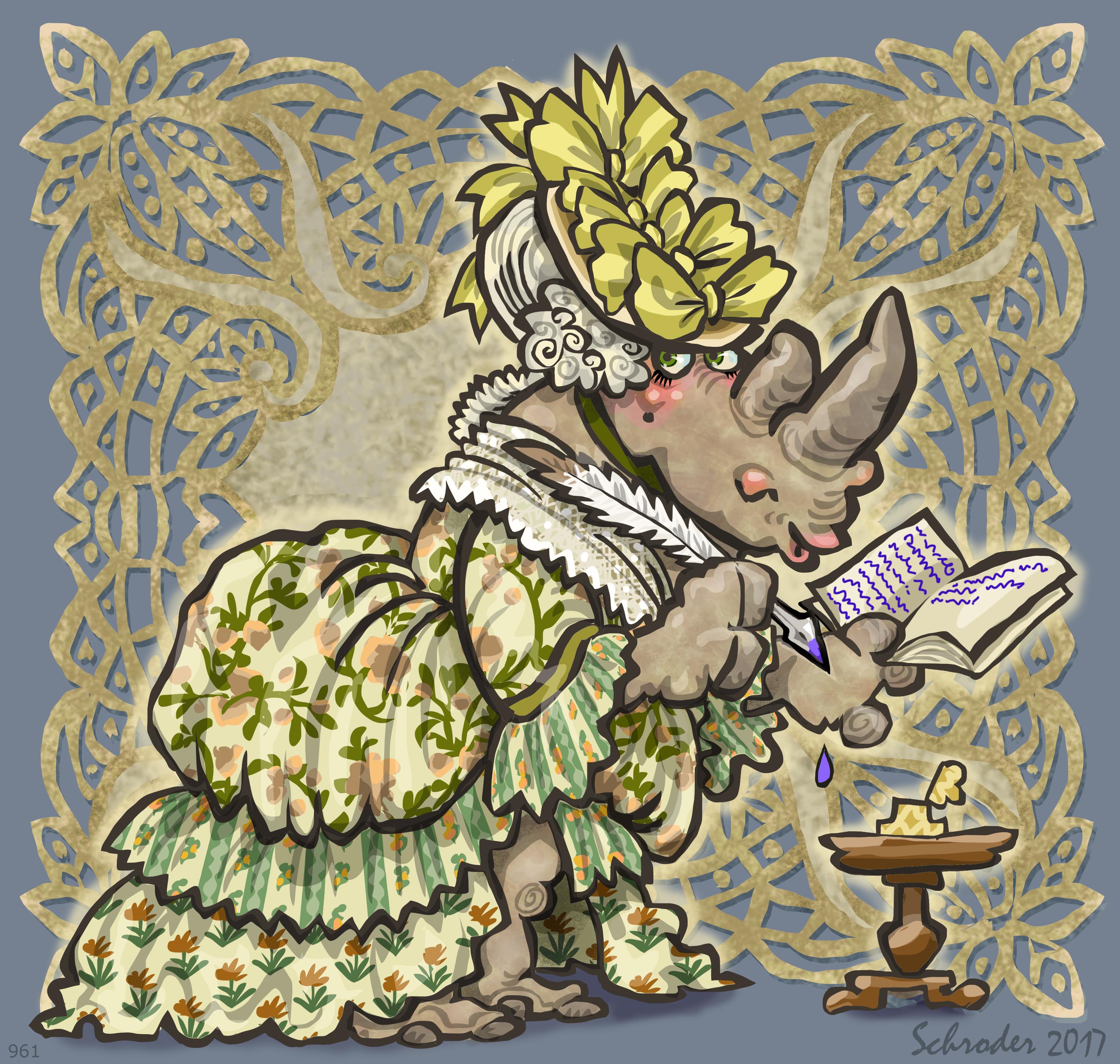
Fanny Burney (b.1752) was one of the early women of letters in England. She wrote successful novels and plays, and kept an extensive journal of her comings and goings. She is remembered for her Epistolary Novels, meaning, the story was related through a series of letters, both to and from the heroine in question. Pretty neat.

She had a wicked sense of humor, with insights upon the Society in which she moved. Satire naturally appeals to Rhinos, worldwide. Right?
From the South Seas

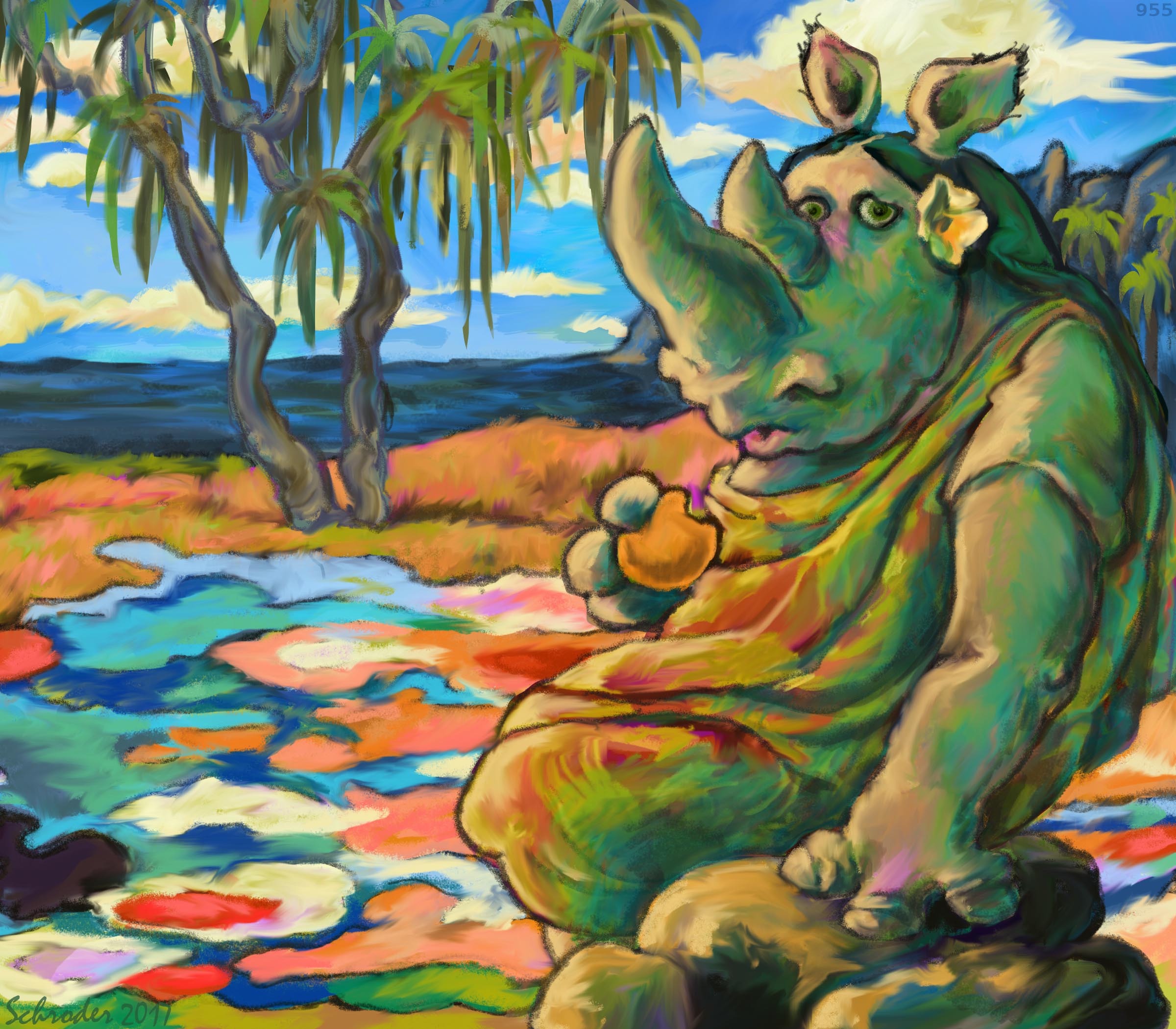
M. Paul Gauguin (b.1848) is a painter of great influence. A Frenchman, he took to painting at age 25, making friends with both Van Gogh and Degas. The times were remarkably productive artistically.

He went to paint in Tahiti and the Marquesas Islands. His genius was not acknowledged until after his death.

Rhinos find his work appealing. We see a lot of Rhino in his brushwork and use of color. Probably you do too.

The Boo Factor

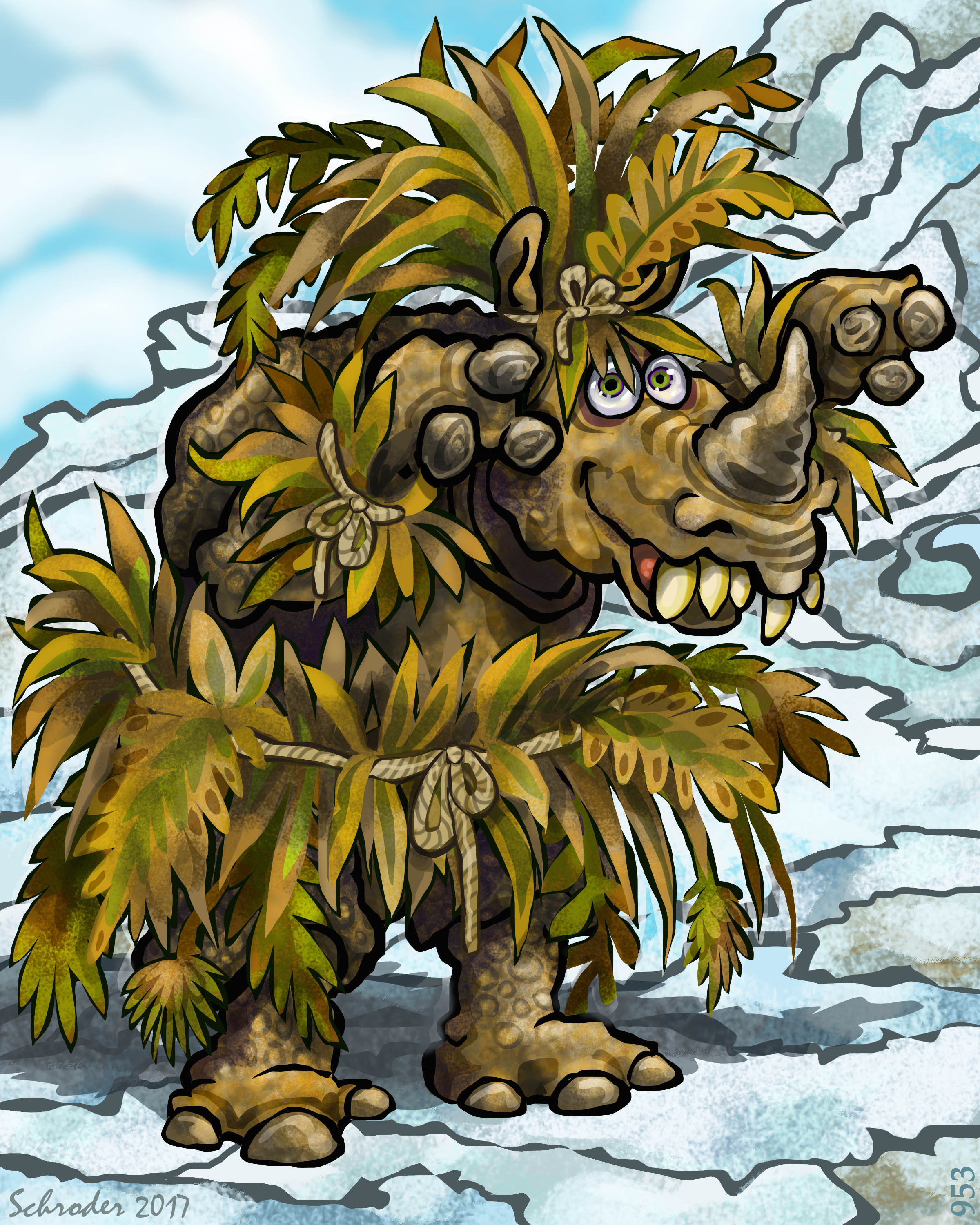
Some Rhino youths don’t know when to can the comedy. Their side-splitting antics inspired Abominable Snowman tales.

We used to gussy up to amaze unwary travelers. To some, these charades seem hilarious, except to those who get surprised.

We have curtailed these activities for many years, but folk still see A. Snowmen occasionally. Poor creatures.

Thanks, Ma’am


Ms. Rachel Carson’s birthday is this Saturday, the 27th. However, YIR will be away that day, so We are mentioning it now.

Ms. Carson did a great deal to raise awareness of the chemical pollution of pesticides and the toll of unrestricted industrial activity on the environment. What critter would not be grateful to her?

Well, all right; not every critter is sensible. Even Rhinos have the occasional Loose Screw.

XL Collision Course

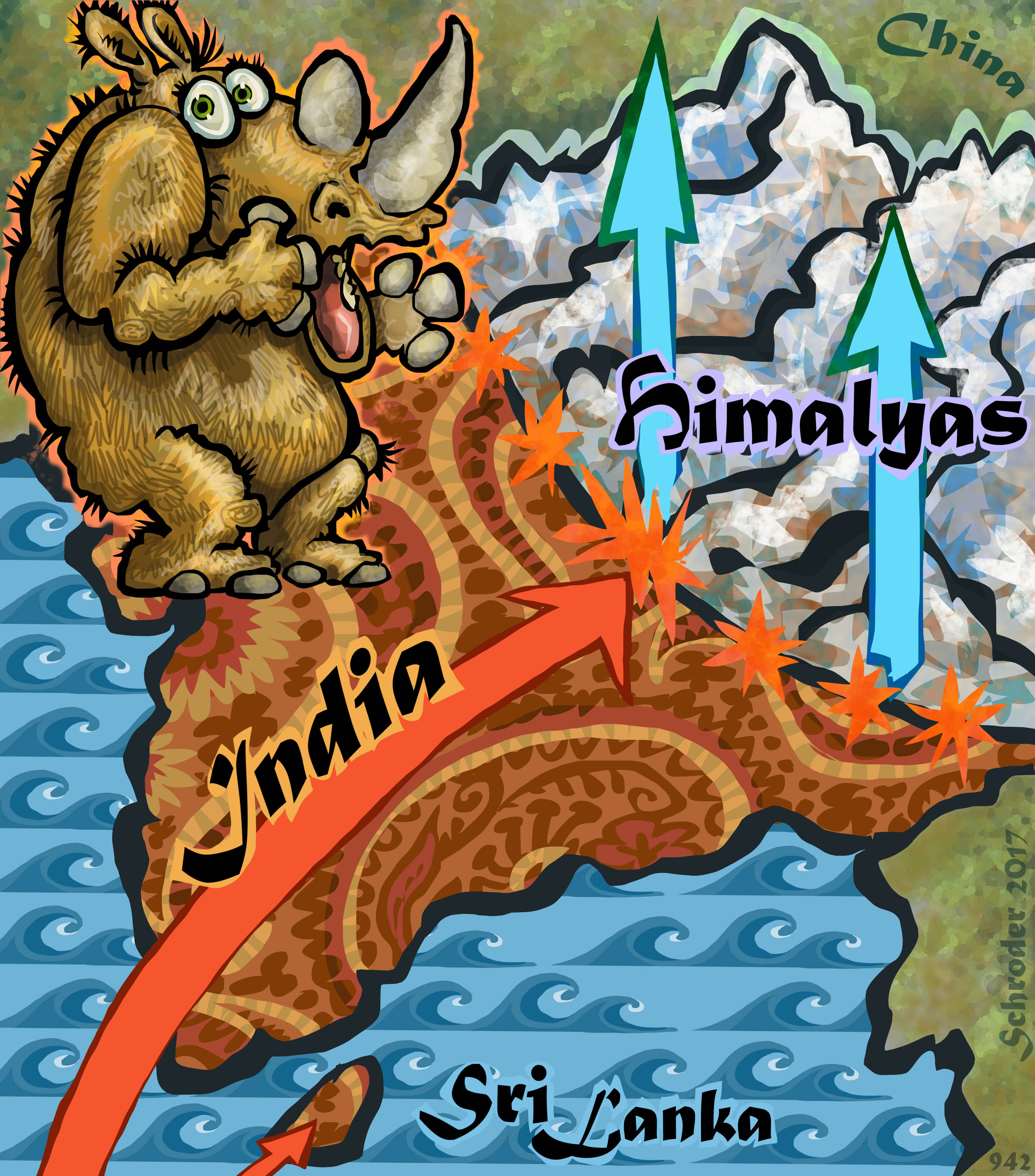
India used to be somewhere else, but 70 million years ago it headed off for Asia, arriving with much Wallop; in this case, the crunching and raising of the Himalayas. A Very Big Ba-Boom!

Nature makes these events pretty spectacular, however leisurely the pace. The Himalayas are still growing.

And yes, We Rhinos were there for the “Hello, India” party. 20 million years ago.

A Rose by any other name…

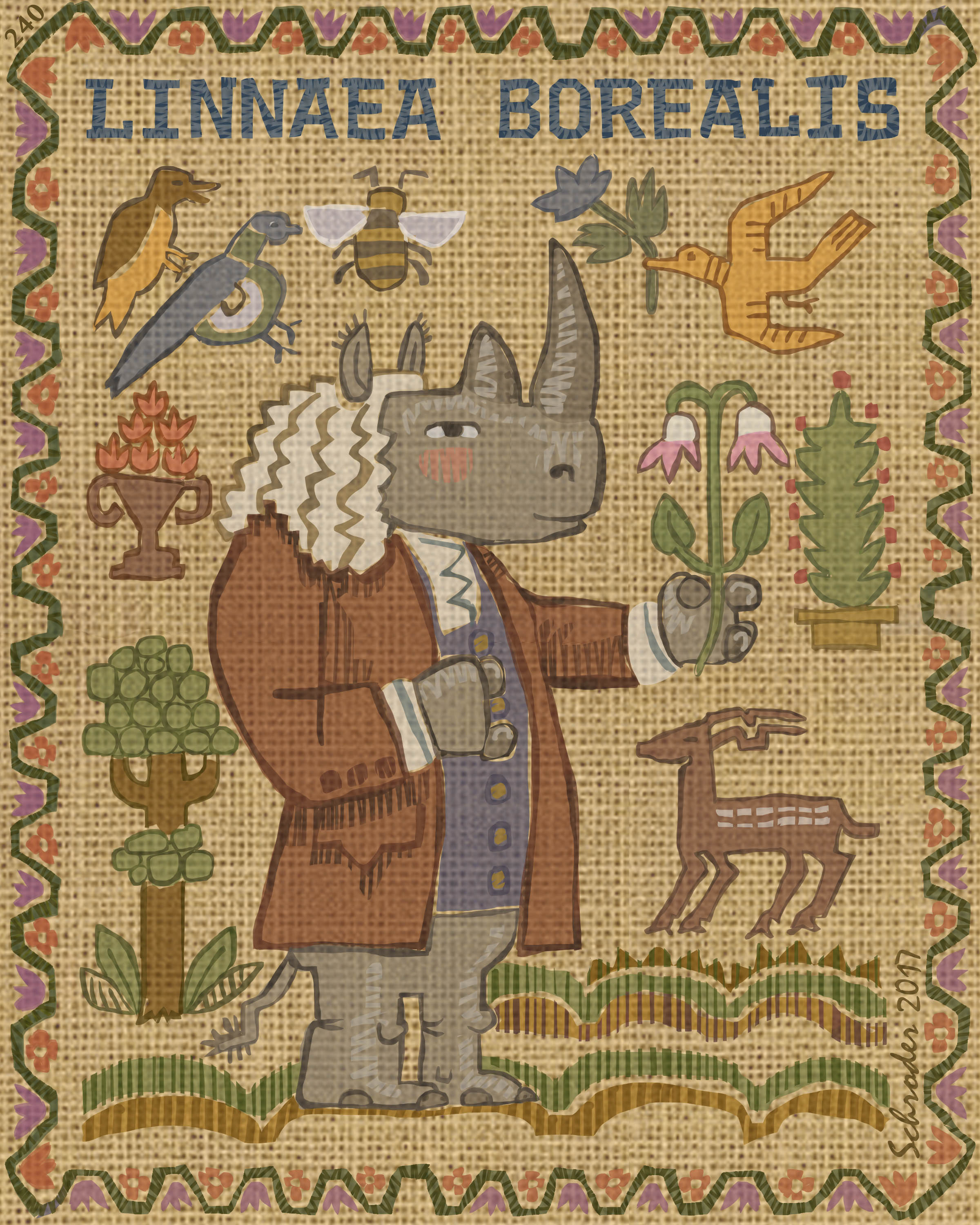
Mr. Carl Linnaeus (b. 1707) established a system for naming organisms, grouping them with the first word, and specifying them with the second. His system, with tweaks, is in use today.

Linnea borealis is shown, named for Mr. Linnaeus himself. He was Swedish.

Rhinos use our noses, plus uncanny Instinct, to sort plants. We group as 1) Ready, 2) Not Yet, and 3) Never Categories, all related to dining.

The Femme Fatale

Miss Irene Adler is the pivotal character in Sir Arthur Conan Doyle’s A Scandal in Bohemia, in which she outwits Sherlock Holmes. It is a favorite Holmes story among Female Rhinos. (Ms. Adler was an opera singer before the tale begins, which should tell you a lot about toughness.)

Happily, Mr. Holmes comes to admire her for her cunning and moral fiber.

Mr. Conan Doyle (b.1859) always offers a good read, if only We could.

Tickling the Ivories

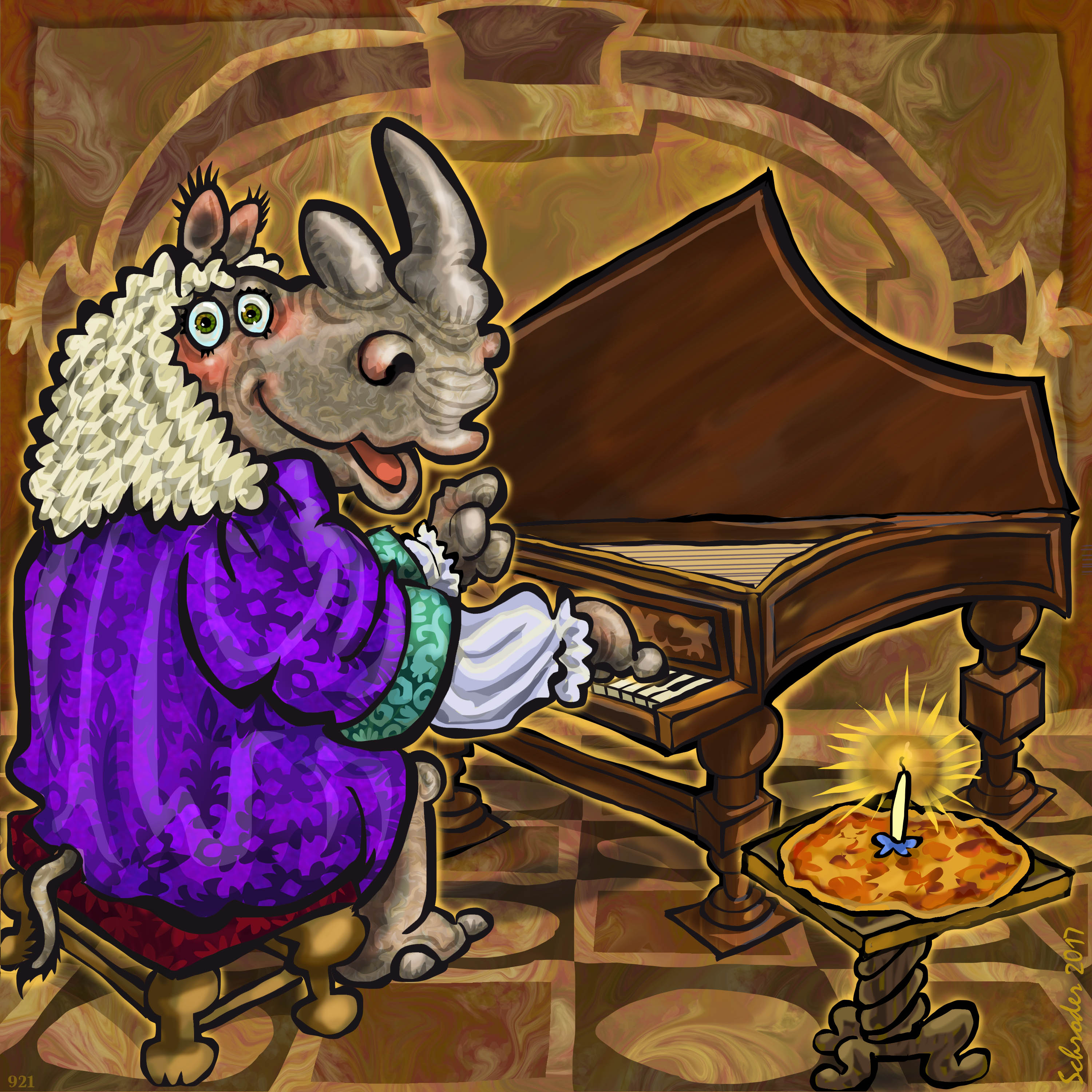
Signor Bartolomeo Cristofori (b. 1655) is credited with inventing the Piano, somewhere around 1700. It had only four octaves, but made a big impression. Another example of a Good Beginning, which is often all it takes.

Rhinos are not designed to play the Piano, having only three toes per foot. Of course, reading music is not a RhinoSkill, but We can pretend We know what We’re doing; many other players do.

Rhinos don’t need to hog the spotlight to achieve Satisfaction.

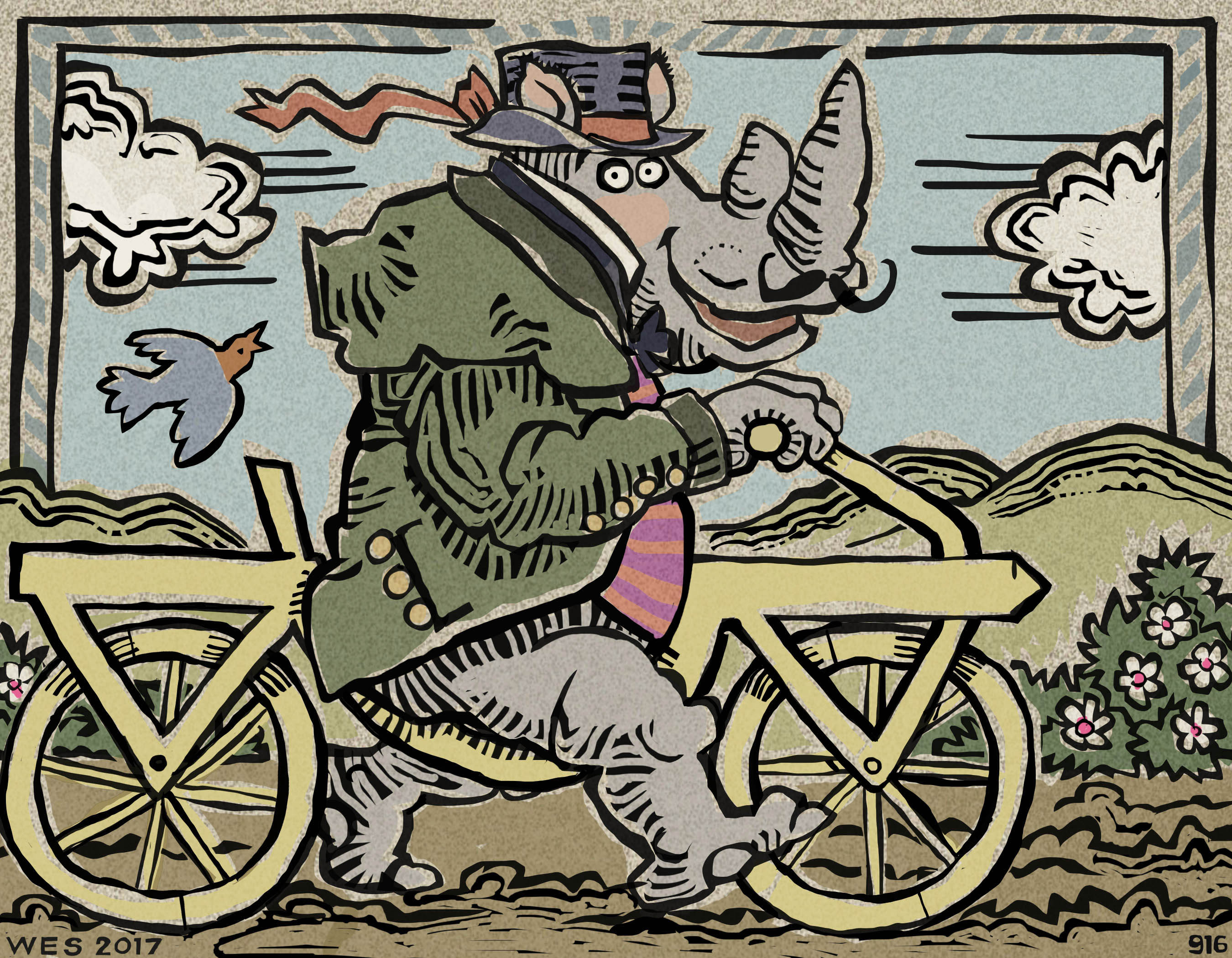
Bicycular Infancy

Hr. Karl Drais (b. 1785), was the German inventor of the Velocipede (1817), the precursor of the bike. It was the first machine with 2 wheels in a single line. It “ran” by the leg power of the rider, paddling along at a goodly speed.

The Velocipede had a few problems: 1) it was made of wood and very heavy, 2) the roads were terrible, and 3) sidewalks were better, but accidents were bountiful for unsuspecting pedestrians.  Oh yes, it had no mechanical brakes.

The Rhino POV: everything has a beginning, with wrinkles or without. Happy Birthday, Hr. Drais.

Heartfelt, though overdue


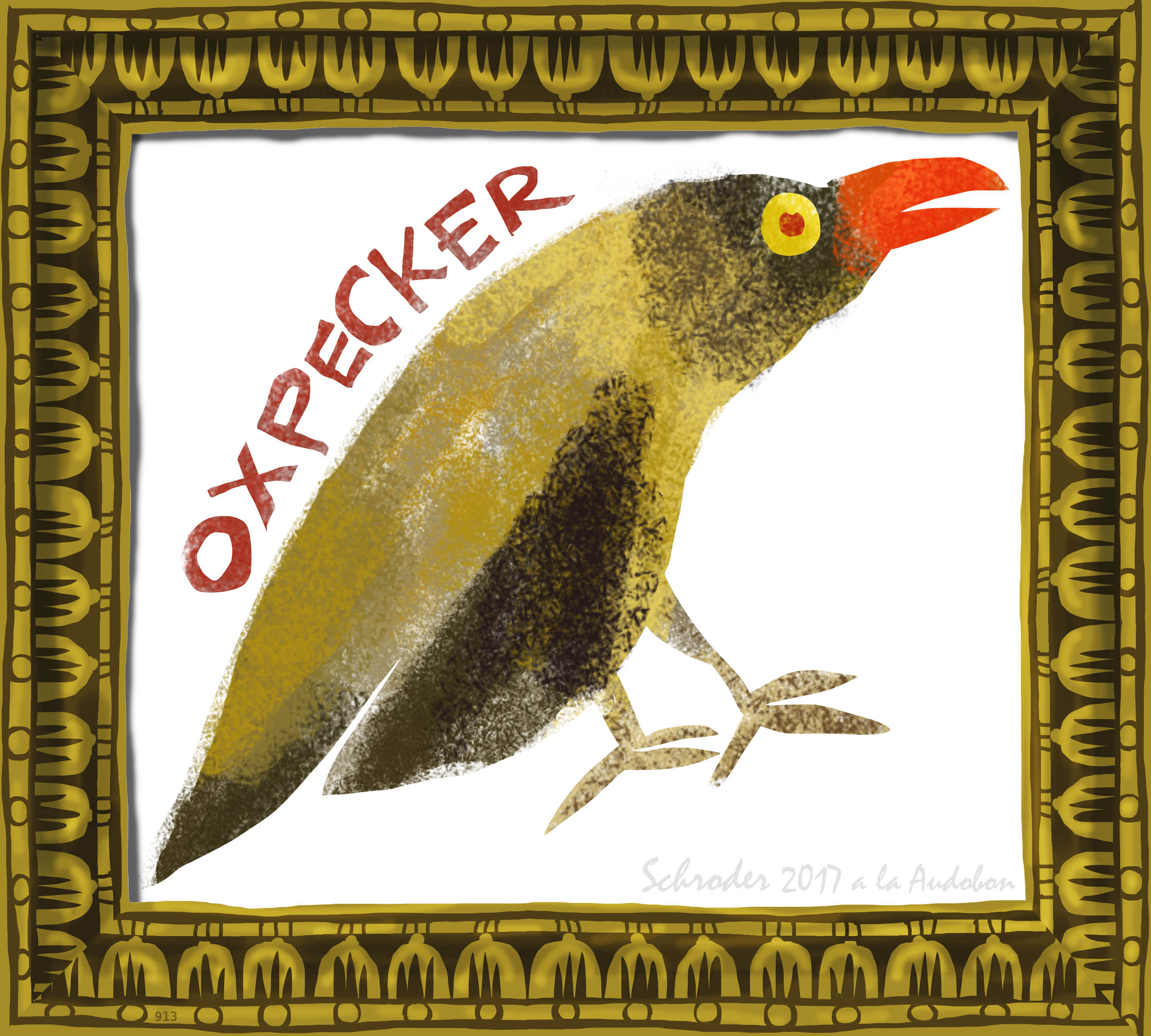
Yesterday was Mr. John James Audubon’s birthday (1785- 1851). He is famous for his many paintings of North American birds, which are both accurate and full of Natural detail.

Oxpeckers eat ticks, which are a plague We Rhinos must face all the time- the ticks, that is.

We also benefit from Egrets, but for today’s post, We extend to them our re-Egrets. Heh, heh.